
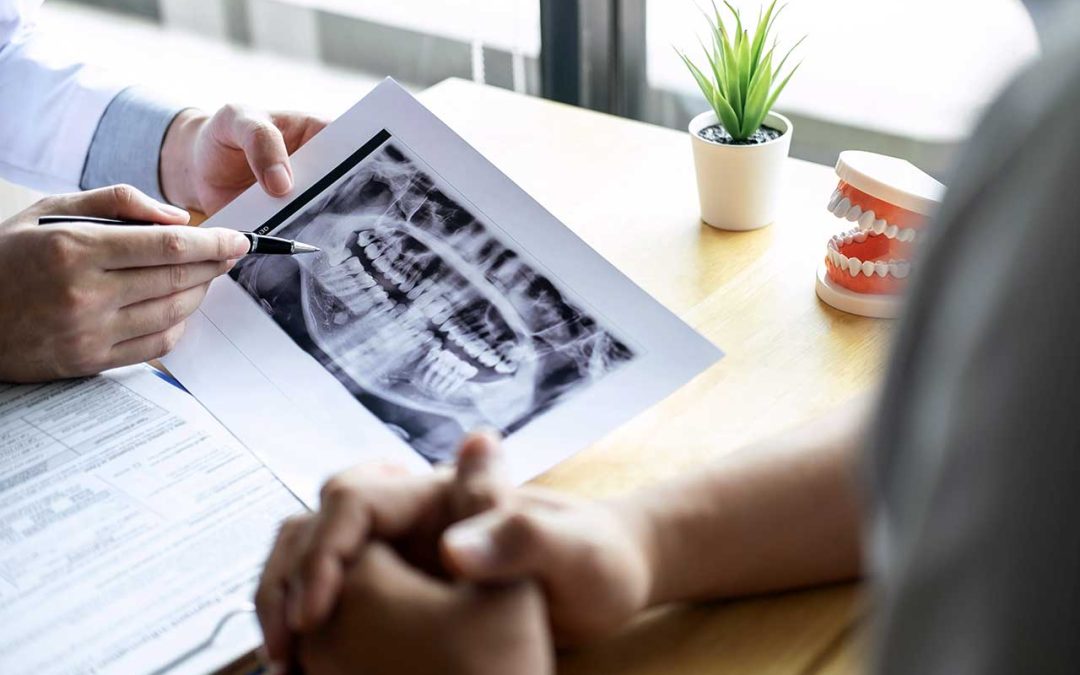
Your general dentist keeps your teeth healthy. But when gum problems go deeper, a specialist can make all the difference.
Quick check: Should you see a specialist? If you're experiencing any of the following, a board-certified periodontist can help protect your smile and your health:
- Gums that bleed regularly when brushing or eating
- Teeth that appear longer due to receding gums
- A tooth that feels loose or has shifted position
- A recommendation for dental implants
- X-rays showing bone loss around your teeth
No referral needed. Call (423) 926-4867 to schedule a consultation.
Your dentist is your first line of defense for oral health. Regular cleanings, cavity fillings, crowns, and checkups all fall squarely in their wheelhouse. But there are situations where gum and bone issues require a level of training and surgical expertise that goes beyond what a general dental practice is equipped to handle. That's where a periodontist comes in.
A periodontist is a dentist who has completed additional years of specialized training focused specifically on the structures that support your teeth: the gums, the bone beneath them, and the connective tissue that holds everything together. They're trained in advanced surgical techniques, dental implant placement, bone grafting, laser therapy, and regenerative procedures that most general dentists don't perform.
If you live in Johnson City, Kingsport, Bristol, or anywhere in the Tri-Cities area of Northeast Tennessee and you're experiencing any of the following signs, it may be time to see a periodontist.
1. Your Gums Bleed Regularly
Occasional bleeding when you brush or floss too aggressively is one thing. But if your gums bleed consistently, especially when you're eating, brushing normally, or even without any provocation, that's a warning sign of active gum infection.
Bleeding gums are one of the earliest indicators of gingivitis, the mildest form of periodontal disease. At this stage, the condition is usually reversible with professional treatment and improved home care. But many people dismiss bleeding gums as normal or assume it just means they need to floss more. The longer it goes untreated, the more likely it is to progress into periodontitis, a more serious and potentially irreversible condition that affects the bone supporting your teeth.
A periodontist can evaluate the extent of the infection, measure the depth of the pockets around your teeth, and determine whether you need treatment beyond a standard cleaning.
2. Your Gums Are Pulling Away from Your Teeth
If your teeth look longer than they used to, or you can see more of the root surface than you remember, your gums are likely receding. Gum recession exposes the roots of your teeth to bacteria, temperature sensitivity, and decay, and it doesn't reverse on its own.
[IMAGE PLACEMENT: Side-by-side diagram showing healthy gum height versus recessed gums, with the root surface labeled. Keep it clean and clinical, not graphic.]
There are several causes of gum recession: aggressive brushing, grinding, genetics, and periodontal disease are among the most common. A periodontist can identify the underlying cause and recommend the right treatment, whether that's a tissue graft or a newer, minimally invasive approach like the Pinhole Surgical Technique, which corrects gum recession without scalpels, sutures, or donor tissue.
This is one of the clearest examples of a situation where a specialist's training matters. Most general dentists don't perform gum grafting or the Pinhole technique. A board-certified periodontist does.
3. You Have a Tooth That Feels Loose
Adult teeth don't loosen without a reason. If you notice a tooth that shifts when you press on it with your tongue, that feels different when you bite down, or that seems to have changed position, the bone and tissue supporting that tooth may be deteriorating.
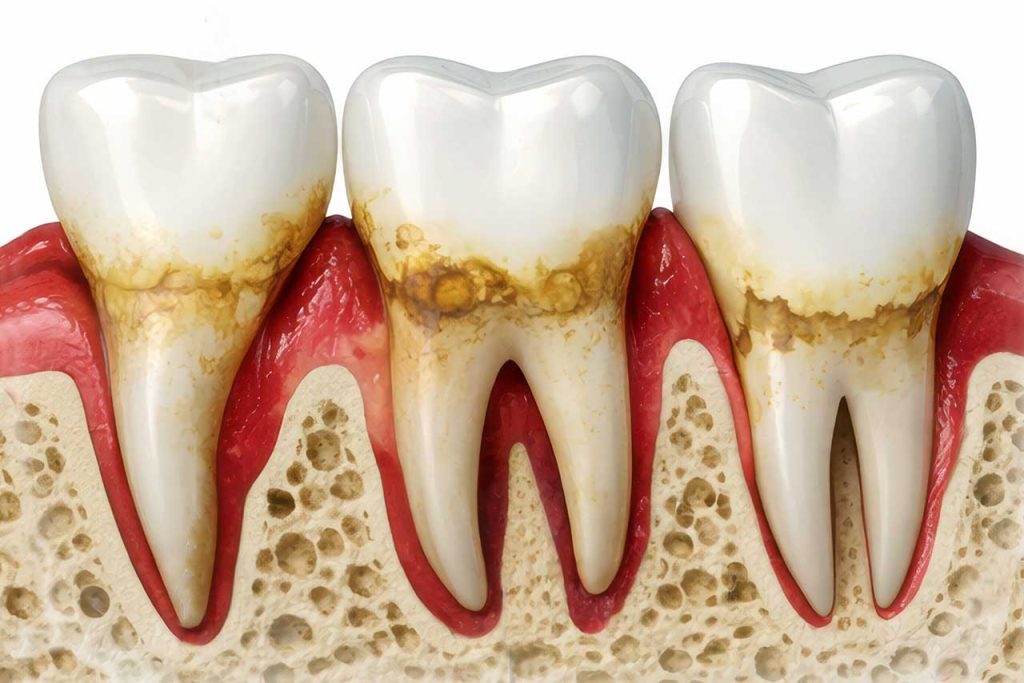
This is often a sign of advanced periodontal disease. The infection has moved below the gumline and is actively breaking down the bone that anchors your teeth in place. At this point, the situation is beyond what a general dentist can manage with cleanings alone.
A periodontist can assess the extent of the bone loss through imaging, clean the deep pockets of infection, and in many cases use regenerative procedures or bone grafting to rebuild lost structure and stabilize the tooth. The earlier this is caught, the more options you have.
"Dr. Shelby and his team are truly the best at what they do. From the consult visit and especially during the procedure itself, he explained what he was doing, which put me at ease. What I believed would be a very difficult procedure, he made seem routine." — actual Shelby Periodontics patient
4. You've Been Told You Need a Dental Implant
Dental implants are one of the most effective ways to replace a missing tooth. They look, feel, and function like natural teeth, and when placed properly, they can last a lifetime. But implant placement is a surgical procedure that involves the jawbone, and the outcome depends heavily on the skill and training of the provider placing it.
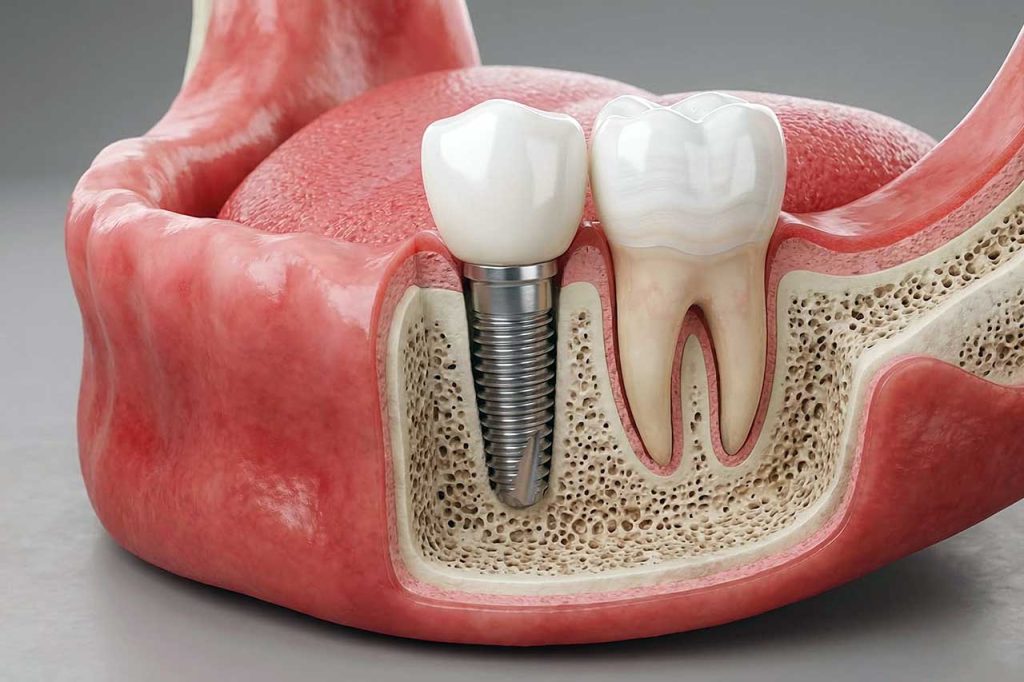
Periodontists are specifically trained in the surgical aspects of implant therapy, including cases that require bone grafting, sinus augmentation, or ridge preservation before an implant can be placed. These are common scenarios, especially for patients who have been missing a tooth for a while or who have experienced bone loss from periodontal disease.
If your dentist has recommended an implant, ask whether a periodontist should be involved in the surgical placement. Many general dentists partner with periodontists for exactly this reason, because the surgical precision of the placement is what determines how well the implant integrates with your bone and how long it lasts.
5. Your Dentist Has Mentioned Bone Loss
If your dentist has looked at your X-rays and mentioned bone loss around one or more teeth, that's a referral-worthy finding. Bone loss doesn't happen overnight. It's the result of chronic periodontal infection that has been progressing, sometimes silently, over months or years.
Once bone is lost, it doesn't grow back on its own. But a periodontist can intervene with bone grafting procedures, regenerative techniques, and targeted infection control to stop the progression and, in many cases, rebuild the lost structure. This is especially critical if you're being evaluated for dental implants, because a strong, healthy jawbone is the foundation that makes implant success possible.
"This office is the best around for dental surgery. Dr. Shelby uses the latest technologies in dental surgery. He has restored my faith in today's doctors. I had three surgeries done with little to no pain during the healing process. Results are great." — actual Shelby Periodontics patient
You Don't Need a Referral
One common misconception is that you need a referral from your dentist to see a periodontist. In many cases, that's not true. If you're noticing any of the signs above, or if something just doesn't feel right with your gums, you can contact a periodontal practice directly.
At Shelby Periodontics in Johnson City, Dr. Daniel Shelby, a board-certified periodontist, sees patients from across the Tri-Cities region, including Kingsport, Bristol, and surrounding communities. The practice accepts most major dental insurance plans, including Delta Dental and UHC, and the team is happy to help you understand your coverage and options before treatment begins.
The Connection Between Your Gums and Your Overall Health
There's one more reason to take gum disease seriously: it doesn't stay in your mouth. Research has established links between chronic periodontal infection and systemic conditions including heart disease, stroke, and diabetes. The same bacteria that infect your gums can enter your bloodstream and contribute to inflammation elsewhere in your body.
Treating periodontal disease isn't just about saving your teeth. It's about protecting your health.
Not sure if your symptoms need a specialist? A simple consultation can give you clarity. Dr. Shelby and his team can often identify early signs of gum disease that you might not be able to see or feel on your own, and they'll walk you through your options with no pressure.
Call Shelby Periodontics at (423) 926-4867 or email us to schedule a consultation. No referral needed.